
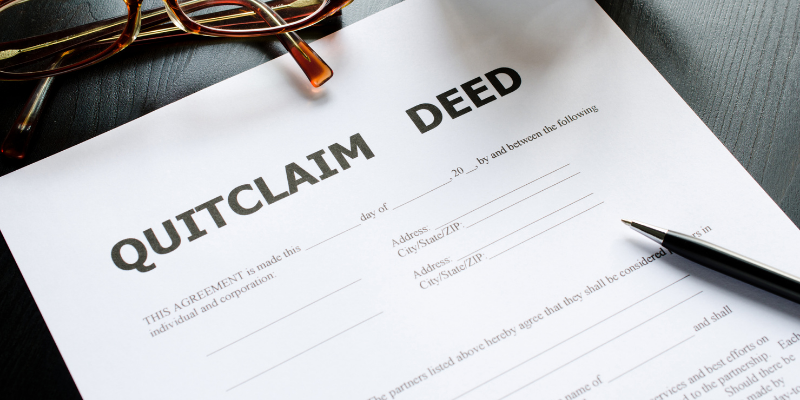
Are you selling your home with a quitclaim deed in the state of Texas? Potential sellers often wonder whether quitclaim deeds are suitable for the sale and purchase of real estate, and whether they are applicable in their situation for transferring property ownership and resolving title issues. It is essential to know the Texas laws concerning quitclaim deeds. Look into the complications concerning quitclaim deeds, how they work, and the numerous risks involved in your property deal. Our extensive guide is designed to help Texas homeowners sell their properties more efficiently and with more confidence. We hope that you will help demystify the use of quitclaim deeds and the overall experience of transferring your property.
Key Highlights
- Learn about how quitclaim deeds function within the state to prevent negative legal obstacles.
- Quitclaim deeds make transferring property a lot easier, but they do not guarantee a title; warranty deeds do.
- Consider quitclaim deeds for informal transfers between people you can trust not to cause problems, such as family transfers.
- To minimize the risk that comes with quitclaim deeds in the state, you should speak to a lawyer.
- Warranty deeds specifically assure complete title; therefore, they are the go-to for transactions in the open market.
Understanding the Basics of a Quitclaim Deed in Texas
Texas real estate transactions’ quitclaim deeds have the most significant impact on property transfers. A quitclaim deed is applicable in specific legal contexts in which the current property owner wants to move on to the real property without the niceties a warranty deed provides. Knowing how quitclaim deeds affect estate planning, title transfers, and related legal documents should be considered by both home sellers and buyers. The knowledge gained should empower informed real estate investing decisions, rather than drawing back from the impact of quitclaim deeds on real estate ownership in Texas.
What is a Quitclaim Deed?

A quitclaim deed is a legal document used to transfer a person’s interest in real property to another party. Unlike a warranty deed, it does not guarantee that the title is clear or free of liens, claims, or other encumbrances.
Quitclaim deeds are most commonly used between trusted parties, such as family members, or for estate planning, as they transfer ownership quickly without requiring verification of the title’s condition. They are often employed to add or remove a name from a property title, making them ideal for informal property transfers.
While efficient and straightforward, quitclaim deeds carry potential legal risks. Consulting a legal professional can provide extra protection and ensure the transfer aligns with your intentions. Understanding the purpose and limitations of a quitclaim deed enables Texas homeowners to make informed and secure real estate decisions.
How a Quitclaim Deed is Used in Texas Real Estate Transactions
In Texas, quitclaim deeds can be used in scenarios where a warranty deed is not necessary due to the specific conditions at hand. The most common use is to facilitate the effective transfer of ownership of a property and/or interest in a property without any limitations on formal requirements. These are most common with title issues or when transferring property for estate planning purposes within the family.
Since quitclaim deeds do not include marketable title guarantees, unlike warranty deeds, buyers can assume ownership and/or interest in any permits and interests associated with the property; thus, a title search is necessary. As such, it is crucial to understand the implications of using a quitclaim deed and seek guidance from a licensed attorney and real estate consultants.
In Texas, knowing when and how to use them allows most sellers and buyers to minimize the chances of future disagreements or potential liabilities.
Legal Implications of Selling a Property with a Quitclaim Deed
It is essential to understand the risks you accept when selling a property using a quitclaim deed in Texas. Unlike standard warranty deeds that guarantee a clear title to the property, quitclaim deeds simply transfer any ownership rights without any guarantee or warranty. This also applies to people selling their homes. Texas law will only help you to a certain degree; for the rest, you will need to understand the risks associated with Texas quit claim deeds so you can make choices that will best protect you from any future litigation or legal issues.
Potential Risks and Limitations of Using a Quitclaim Deed

If you’re a Texas property seller, you need to know the risks involved with a quitclaim deed. One of the most significant issues associated with a quitclaim deed is the potential title issues, which are a primary concern. There are no warranties explained in the quitclaim deed, meaning there are no guarantees. Any liens, claims, or other issues attached to the property may be hidden. There could be issues with the new owner, which could also complicate any future sales of the property. Warranty deeds cover a lot more legally, and as a result, the buyer and seller are much less likely to get into a dispute.
Quitclaim deeds work best as a way to transfer property where there isn’t much formality, like with trusted family members, and for specific estate planning purposes. They are not suited to work with market transactions.
Comparing Quitclaim and Warranty Deeds
When becoming familiar with Texas real estate, it is essential to understand the differences between a quitclaim deed and a warranty deed. While each deed differs in its legal implications regarding the transfer of property title, a quitclaim deed allows for the rapid transfer of title to someone else. Still, it does not guarantee that the transferor holds a clear title to the property. Therefore, it’s ideal for title transfers based on trust, which is why it’s commonly used among family members. A warranty deed, on the other hand, provides stronger guarantees around the title and protects the buyer from any undisclosed claims, etc. Knowing which of the two deeds to use is critical in real estate transactions and estate planning. This is how Texas homeowners can make informed decisions and protect themselves legally in real estate transactions.
Differences Between a Quitclaim and a Warranty Deed
For Texas homeowners, especially those selling their property, it is essential to understand the nuances of quitclaim deeds and warranty deeds. The difference comes down to how much protection each type of deed offers with respect to the property’s title.
Someone using a quitclaim deed is transferring ownership without guaranteeing the title is free and clear of all liens, claims, and deeds. A quitclaim deed is often used for transactions among relatives or for ease of internal estate planning. This type of deed is quick and straightforward but offers the buyer very little protection.
On the other hand, with a warranty deed, the title is guaranteed to be clear and marketable. The seller is assuring the buyer that, as the sole and rightful owner, no claims to the property exist. This assurance is especially valuable in market transactions, as it minimizes the likelihood of future disputes.
For homeowners in McAllen looking to sell their house fast, Legit Home Buyers provides a fast and reliable solution. They buy houses for cash throughout Texas, often closing in as little as a week, and can handle properties regardless of their condition. By understanding the type of deed involved, homeowners can work with experts like Legit Home Buyers to ensure a smooth and secure sale, while avoiding the complications that sometimes arise with quitclaim transfers. Contact us at (956) 477-2244 today!
Grasping these differences not only helps property owners choose the right deed but also aligns their transaction strategy with Texas real estate laws and best practices in risk management.
When to Use a Quitclaim Versus a Warranty Deed

Texas experiences various forms of property transfers among parties, and each transfer must select the appropriate type of deed, either a warranty or a quitclaim deed, based on the parties’ relationships and the transaction context. Family members or those transferring property for estate planning often use a quitclaim deed, as it allows for a quick transfer. However, they do not protect the grantee from any liens or claims since they do not carry any legal guarantees.
For the warranty deed, there is a legal promise of a clean, unencumbered title, making it ideal for use in market sales and transactions between parties who are unfamiliar with each other. For a proper transfer of property to occur, the deed must provide the buyer with protection against any undisclosed claims, ensuring a smooth transfer.
By considering the type of transaction, the parties involved, and any associated risks, Texas homeowners can select the deed that best suits their needs to protect their interests during property transfer.
Frequently Asked Questions
What is a quitclaim deed in Texas real estate?
In Texas real estate, a quitclaim deed is a method for a property owner to transfer their interest in a property to another person. It is a document that is filed with the county clerk’s office. Unlike a warranty deed, a quitclaim deed does not guarantee a property title is valid, nor does it ensure the property is free from other claims or encumbrances. However, quitclaim deeds are pretty standard in situations where the parties involved have established trust. This includes situations with family members or in estate planning.
When should a quitclaim deed be used in Texas?
Quitclaim deeds are better suited for informal transactions between parties, such as family members or individuals involved in estate planning. As their name suggests, quitclaim deeds are best suited for individuals involved in transferring an established trust, where the parties do not require the formality or guarantees of a warranty deed.
What are the risks associated with using a quitclaim deed?
Quitclaim deeds do not provide any title guarantees to the new owner, which means the new owner could inherit claims or liens on the property. Additionally, there may be encumbrances on the property that are not visible to the prior owner, which could complicate future transactions. It is advisable to seek legal guidance to navigate the risks associated with a quitclaim deed.
What sets apart quitclaim deeds from warranty deeds?
When it comes to how quitclaim deeds differ from warranty deeds, quitclaim deeds transfer ownership with no guarantees that the title is free from other claims. Quitclaim deeds are, therefore, ideal for transferring ownership based on trust and confidence. On the other hand, warranty deeds truly provide fully guaranteed title assurance and also offer clear and marketable title guarantees, which is the most ideal assurance for warranty deeds in the open market.
Must I consult with a professional before using a quitclaim deed?
There are numerous risks associated with quitclaim deeds, and therefore, to protect yourself from their negative consequences, it is advisable to consult with a professional. They will help you comply with Texas laws and assist you in addressing any potential title issues. This will shield you from title problems in the future.
Helpful Texas Blog Articles